
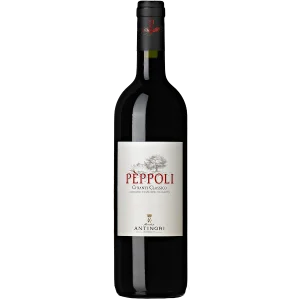
Description
”CLIMATE The first months of the year were characterized by cold temperatures and regular rainfall. The first half of February, in particular, was marked both by temperatures below the freezing point and abundant snowfall, phenomenon which, nonetheless, did not damage the vines. Early spring was cool and dry, causing a slight delay in bud burst and flowering compared to normal seasonal averages, and both April and May, instead, were somewhat rainy, of fundamental benefit in sustaining the vines during the lengthy period of summer drought which, beginning in June and continuing all the way up to the end of August, affected the growth and development both of the vegetation and of the dimension and weight of the grapes themselves. The rains which arrived at the end of August provided necessary relief and balanced growth, allowing all of the different grape varieties to continue the ripening process, while the month of September, mild in temperature and graced by light rainfall, allowed the grapes to mature both in terms of their sugars and other analytic values and in terms of their tannins and color. The picking, which began with Merlot and Syrah and finished with Sangiovese, took place during the second half of September, required a careful selection of the bunches in the vineyards, which guaranteed grapes of good ripeness and an important quality potential.VINIFICATION The different grape varieties were fermented separately in order to obtain the maximum from each of them the Sangiovese fermented for approximately ten days on their skins in stainless steel tanks, while the Merlot and Syrah were each fermented on their own with the aim of realizing fruity wines with soft tannins through a full control of fermentation temperatures. The malolactic fermentation was completed before the arrival of winter in all three varieties. The wine was blended at the beginning of the year and went into cask for a nine month aging period. The aging took place principally in Slavonian oak casks, with 10% of the volume, instead, aging in small oak barrels. The aging in large casks assisted in conserving the fruity notes of the fermentation and softening the tannins; the barrels instead, gave fragrant nuances which completed the aromatic gamut of the wine. Peppoli was given several months of bottle aging before commercial release.HISTORICAL DATA Peppoli was first marketed in 1988 with the presentation of the 1985 vintage, a wine which represented the combination of complexity and structure and fruit and full fragrance as well. The style was made possible by a special microclimate. The vines are planted in a particularly favorable valley with soils rich in minerals, ideal for the cultivation of a savory Sangiovese bursting with fruit. The Peppoli estate, situated in the heart of Chianti Classico, consists of 250 acres 100 hectares, 125 of which are planted to vines.TASTING NOTES Ruby red in color, the 2012 Peppoli is characterized by notes of cherries and raspberries, and the aromatic profile is completed by nuances of violets and vanilla, On the palate, the wine is tasty and balanced, lively in its acidity, a characteristic of Sangiovese-based wines. The fruity notes and the spices of the oak dominate the finish and aftertaste. The wine is soft in its tannins and long and lingering on the finish.”- Antinori
Reviews
There are no reviews yet.