
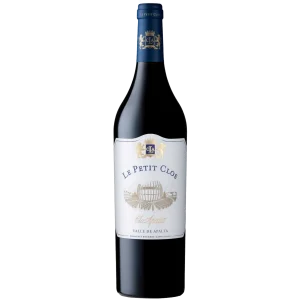
Description
”GEOGRAPHIC CONDITIONS Apalta is located at 170 Kilometers South West from Santiago in the Colchagua Valley. The Vineyard is situated on a North to South exposure, which is quite rare in Chile. The Tinguiririca river rests on one side and the hills from the Coastal Cordillera surround he vineyard like a horseshoe on the other. They are both integral in forming this unique terroir. This geography is responsible for the conditions that ensure balance for our vines and a slow ripening for the grapes. At sunrise and sunset, the Cordillera block the suns rays, limiting the vines exposure to intense sunshine and the river has a cooling influence on the climate.CLIMATIC CONDITIONS OF APALTA VALLEY Apalta has a special meso-climate that is different from the rest of Colchagua Valley. Its climate could be described as semi-dry Mediterranean; with a winter only rainy season and a long dry summer season. Rains are highly concentrated during the winter reaching over 550 mm in on average. During the growing season oct-april, we have beautiful days and warm temperatures with very little rains due to the height of the Coastal mountains, which partially block the cold influence of the Pacific Ocean. There are cool breezes in the afternoons and the nighttime temperatures are cold. We benefit from a wide temperature fluctuation between night and day; which is a key quality factor for color and tannins in reds. Slow maturation allows the grapes to reach their ideal maturity with high concentration and character, preserving the fruit and high levels of natural acidity, ensuring a long ageing potential.THE SOIL Le Petit Clos comes from colluvial granitic soils well decomposed over different layers of clay.VINTAGE CONDITIONS IN 2015 Winter 2014 was considered as rainy in Apalta, with higher temperatures compared to the previous season, moving from a minimum of 4,5C to 14,7C maximum. This translate into 0.5C more than the 2014 period. Spring 2014 had moderate temperatures allowing good bud break and blooming, been both very homogeneous. Summer was more temperate than usual, with some heat waves that lasted for 5 consecutive days in January. This season Colchagua registered the higher growing degree days sum of the last three periods, due mainly to the high temperatures registered towards the end of summer, made of March the warmest of the last decades. However, grapes showed excellent quality when picked with a good aromatic expression and good tannic structure.WINEMAKING Our Petit Clos was hand harvested in small cases of 12 kilos. The grapes are then hand de-stemmed in our Clos Apalta Winery so we maintain complete control of the quality. We fill our fermentation French oak vats by gravity. We use native yeast to ferment the grape juice into wine, with temperature control max. 30 C. Macerations lasted for a maximum of 6 weeks and during that period we did gentle manual punch downs to extract enough compounds from skins to get the desired structure and concentration. We rack the young new wine straight into 100% new French oak barrels by gravity. Natural malolactic occurred in the barrels, where the wine stayed for 6 months. After that, we did the selection of the lots for the wine and the first racking. The wine was then aged for another 17 months in 22% in New French Oak barrels, 49% one-year-old used French oak barrels and 29% in Oak vats of 75hl. We estate bottled the wine by gravity without any treatment or filtration.TASTING NOTES Color Intense and deep ruby red with purple and cherry edges. Nose Complex and expressive. Very intense with black fruit such as maqui berry, cassis and black currant aromas. Red fruit aromas such as cherries and strawberry with fresh herbs notes and a touch of vanilla. Spices and cedar notes. Palate Silky and elegant attack, followed with round and persistent tannins. Remarkably dense and concentrated. Good volume, balance with a remarkable acidity. Long finish Service and Food Pairing decant for 1 hour and serve between 16C and 17C. Enjoy with an Angus loin in myrtle berry sauce, beef tenderloin and spinach cooked with cream cheese and almonds; venison with grilled seasonal vegetables.Vineyard Management Organic certified vineyard by CERES Germany.Biodynamic certified vineyard by DEMETER Germany.Carmenere and Cabernet Sauvignon Pre-phyloxera oldvines planted in 1920 not grafted.High-density plantation 6.666 pl/ hectare. – 5.400 pl/hectare.Yields Average 2.000-3000 Kg/heor 830 1.300 Kg/acre.WINEMAKING Grapes Selection Hand de-stemmed in our Clos Apalta Winery.Fermentation Native yeast in French oak small vats 75Hl.. Skin contact in the tank up to 6 weeks.AGEING Ageing The wine was aged in 225 lts new French oak barrels for6 months. After that period, the wine was aged foranother 17 months in 22% in New French Oak barrels,49% used French oak barrels and 29% in Oak vats of75hl. Coopers Mainly Saury, Baron, Sylvain and Radoux.Most medium toast.Fining and filtering filtering Not fined, cold stabilized or filtered.Petit Clos is a different interpretation of the Clos Apalta Terroir, using the mastery of blending that is the heart of the winemaking philosophy from the Domaines Marnier-Lapostolle – Jacques Begarie, Technical Director – Casa Lapostolle
Reviews
There are no reviews yet.